

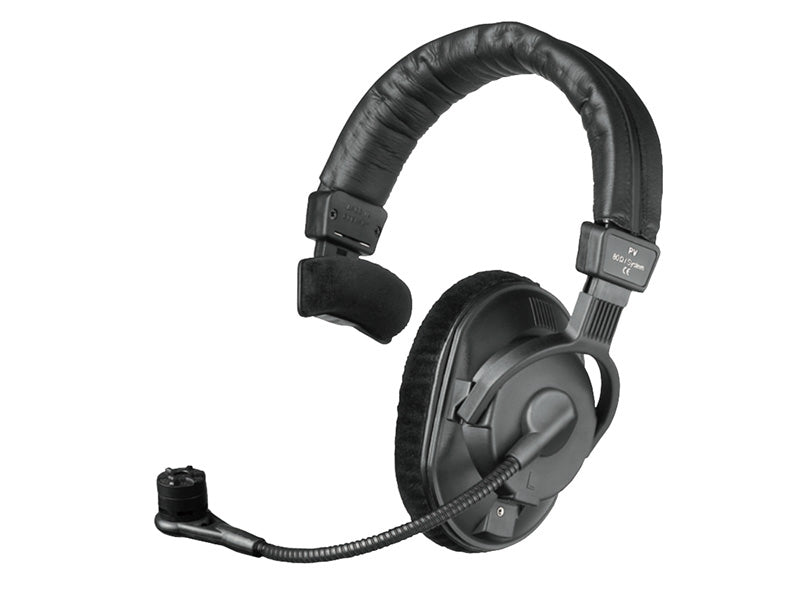
DT 287 V.11 MK II 80 Ohm Professional Headset (Black)
SKU: BD700517
Description
NOTE: This professional headset is not supplied with a cable. The required cable for this headset to work correctly is dependent on its interfacing product and specifications. For a list of cable options download the specifications sheet PDF on this page.
The lightweight, closed DT 287 headsets have been developed for professional broadcasting use.
The headphone features an efficient neodymium magnet system, giving very precise reproduction and excellent intelligibility. Another special feature is the wide frequency response of 10 - 30,000 Hz.
This headset is equipped with a condenser capsule with an extended bass response. The microphone can be optimally positioned with the flexible gooseneck. The optimum distance to the mouth is around 5 to 10 cm. The frequency response for this distance corresponds to recommendations of the IRT (Institute for Radiotechnology in Munich).
The microphone holder is rotatable so that the micro- phone can be worn on the left or right side. The soft circumaural ear pads and the fully adjustable padded headband offer a outstanding comfort.
The cardioid polar pattern ensures high-gain-before feedback and noise cancellation. The wide frequency response ensures clear and precise speech reproduction and intelligibility.
All parts such as earpads, headband and gooseneck microphone are easy to replace.
Features:
Closed headphone
Good ambient noise attenuation
Neodymium magnet system for very high reproduction precision
Soft, circumaural ear pads
Cardioid condenser microphone
Single-sided connecting cable, plug-in type (does not include the connecting cable)
Flexible, pivotable gooseneck for optimal positioning with elasticated microphone suspension
Improvement of immunity against RFI (Radio Frequency Interference) caused by GSM, DECT, UMTS, Tetra etc.
 
Specifications:
Headphone
Transducer principle. . . . . . . . . . . . . . . . Dynamic
Operating principle . . . . . . . . . . . . . . . . Closed
Transmission range . . . . . . . . . . . . . . . . 10 - 30,000 Hz
Nominal impedance. . . . . . . . . . . . . . . . 80
Nominal sound pressure level at 1 kHz. . 100 dB
T.H.D. . . . . . . . . . . . . . . . . . . . . . . . . . . < 0.2%
Ambient noise insulation . . . . . . . . . . . . approx. 16 dBA
Average pressure on ears. . . . . . . . . . . . 4.5 N
Weight without cable . . . . . . . . . . . . . . 240 g
Microphone
Transducer principle. . . . . . . . . . . . . . . . Condenser (back electret)
Transmission range . . . . . . . . . . . . . . . . 40 - 20,000 Hz
Polar pattern . . . . . . . . . . . . . . . . . . . . . Cardioid
Output voltage at a distance of 5 cm. . . . . 5.5 mV
Nominal impedance. . . . . . . . . . . . . . . . approx. 300 Ω
Nominal output impedance . . . . . . . . . . > 1000 Ω
Open circuit voltage . . . . . . . . . . . . . . . 5 mV/Pa at f = 1 kHz
Max. SPL . . . . . . . . . . . . . . . . . . . . . . . . 132 dB
S/N ratio . . . . . . . . . . . . . . . . . . . . . . . . 62 dB
Current consumption . . . . . . . . . . . . . . approx. 3.5 mA
Phantom supply. . . . . . . . . . . . . . . . . . . 12 - 48 V
Dimensions Gooseneck length: . . . . . . . . . . . . . . . . 120 mm
Capsule diameter: . . . . . . . . . . . . . . . . . 19 mm
Weight . . . . . . . . . . . . . . . . . . . . . . . . . 30
 
Downloads

Shipping & same day dispatch Australia-wide, on orders placed by 12noon (AEST). 2-3 days to most capital cities and metro areas.


Blog posts
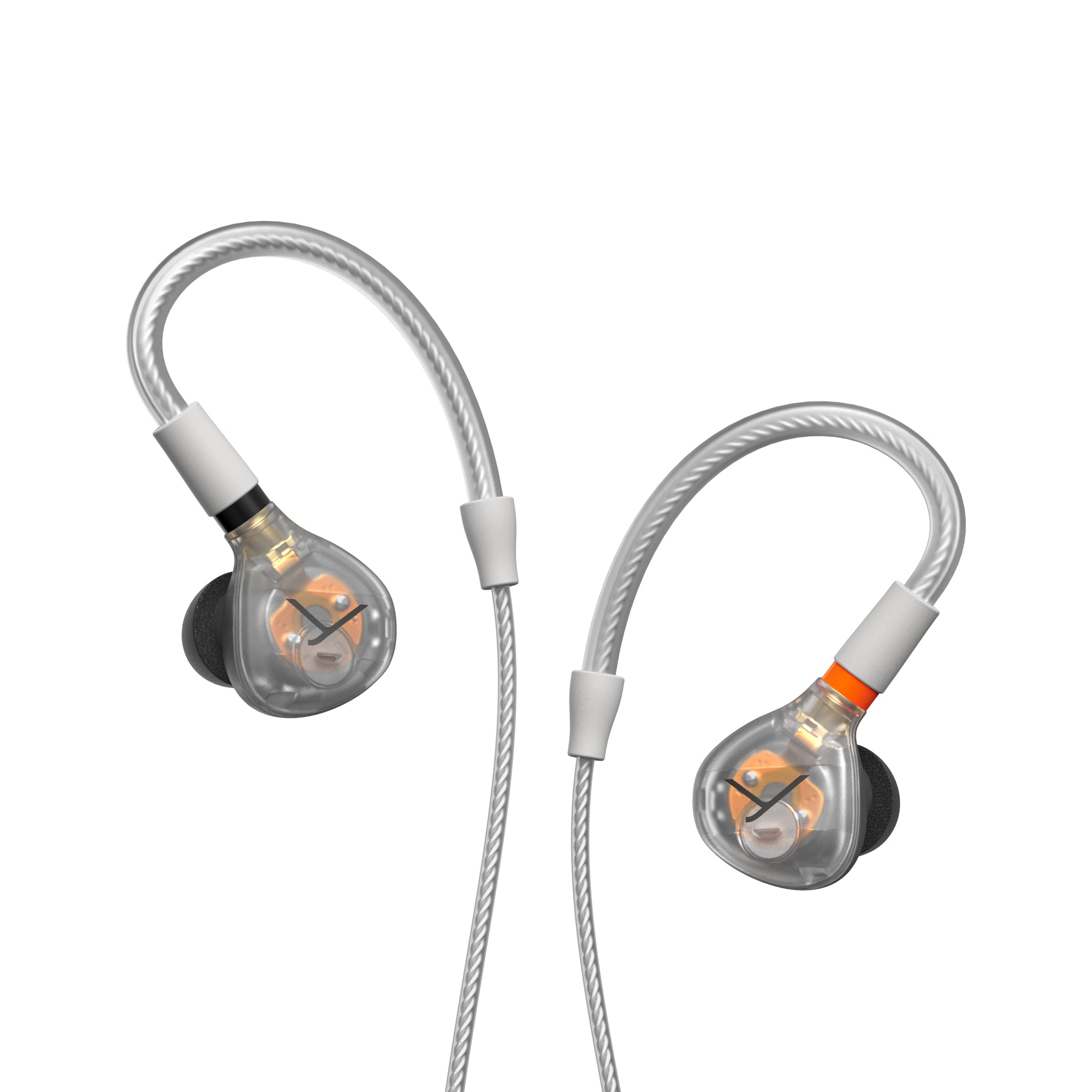
DT 30 IE: A COMPACT IN-EAR MONITOR, BIG ON PERFORMANCE AND VALUE!
June , 2026. NEW DT 30 IE In-ear Monitorbeyerdynamic presents a new in-ear monitor for musicians who want to get the most out of their performance. The DT 30 IE boasts balanced monitoring sound, hi...
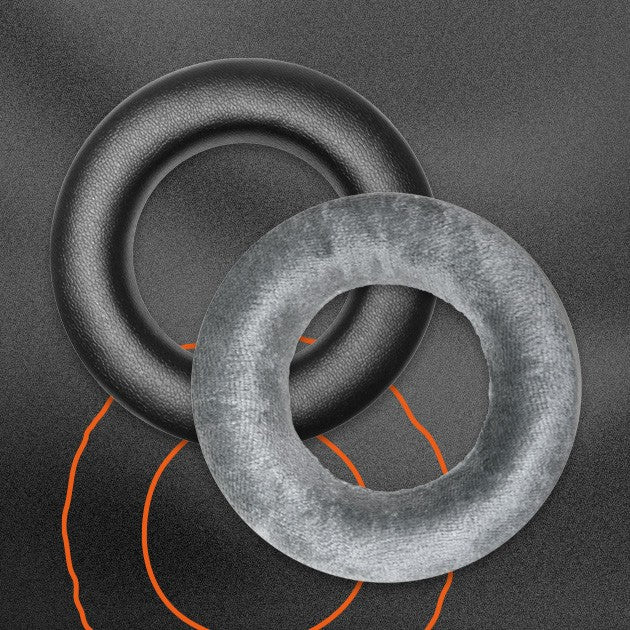
WHAT IS THE BEST WAY TO MAINTAIN STUDIO HEADPHONES?
Studio Headphone Maintenance FAQ Care Guide Maintaining Your Studio Headphones A good pair of studio headphones can stay with you for years...
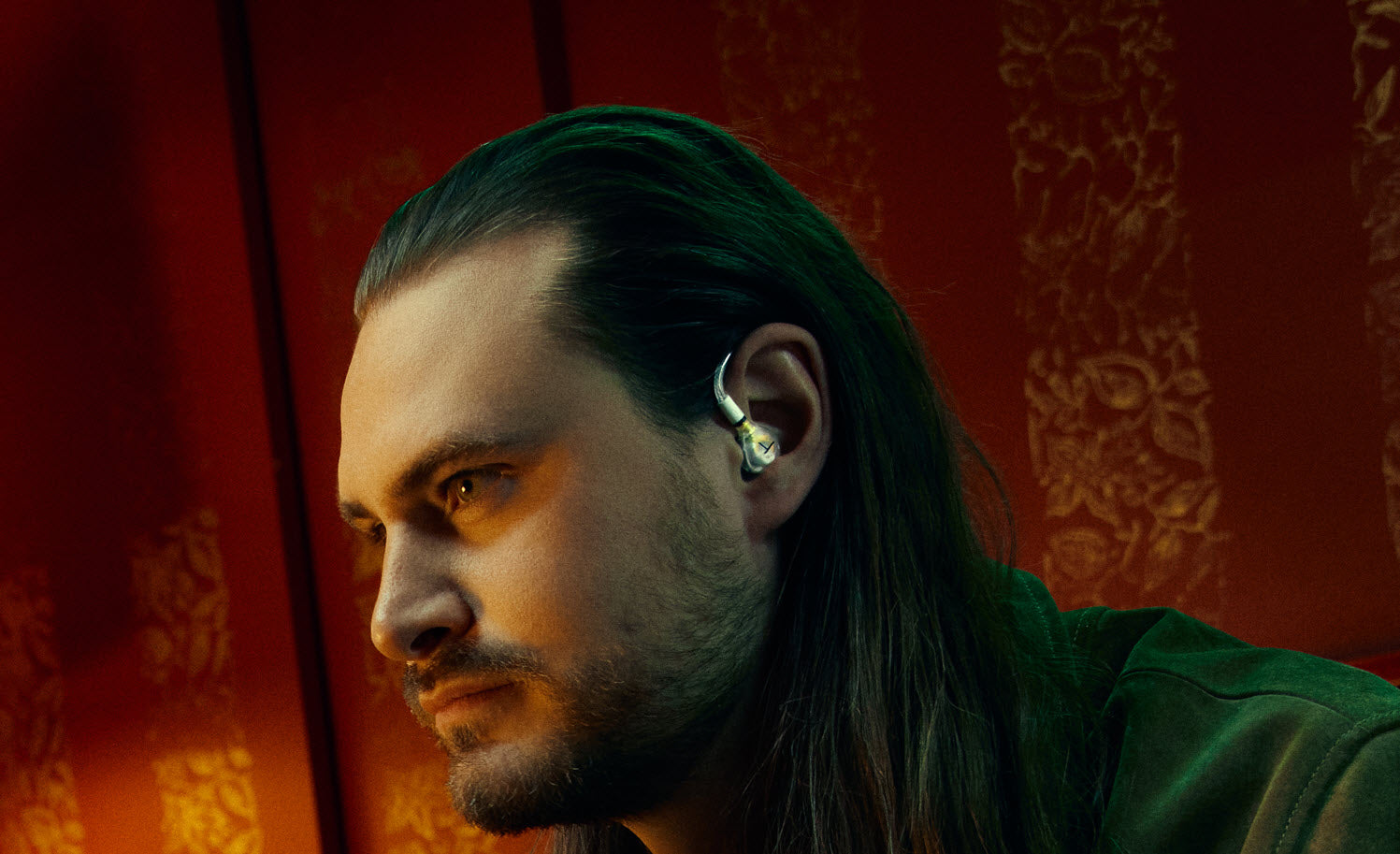
WHAT ARE THE ADVANTAGES OF A SINGLE-DRIVER IN-EAR MONITOR (IEM) DESIGN?
Single-Driver IEM FAQ Knowledge Base Single-Driver In-Ear Monitors The case for doing more with less — a closer look at why a single dynamic driver ...